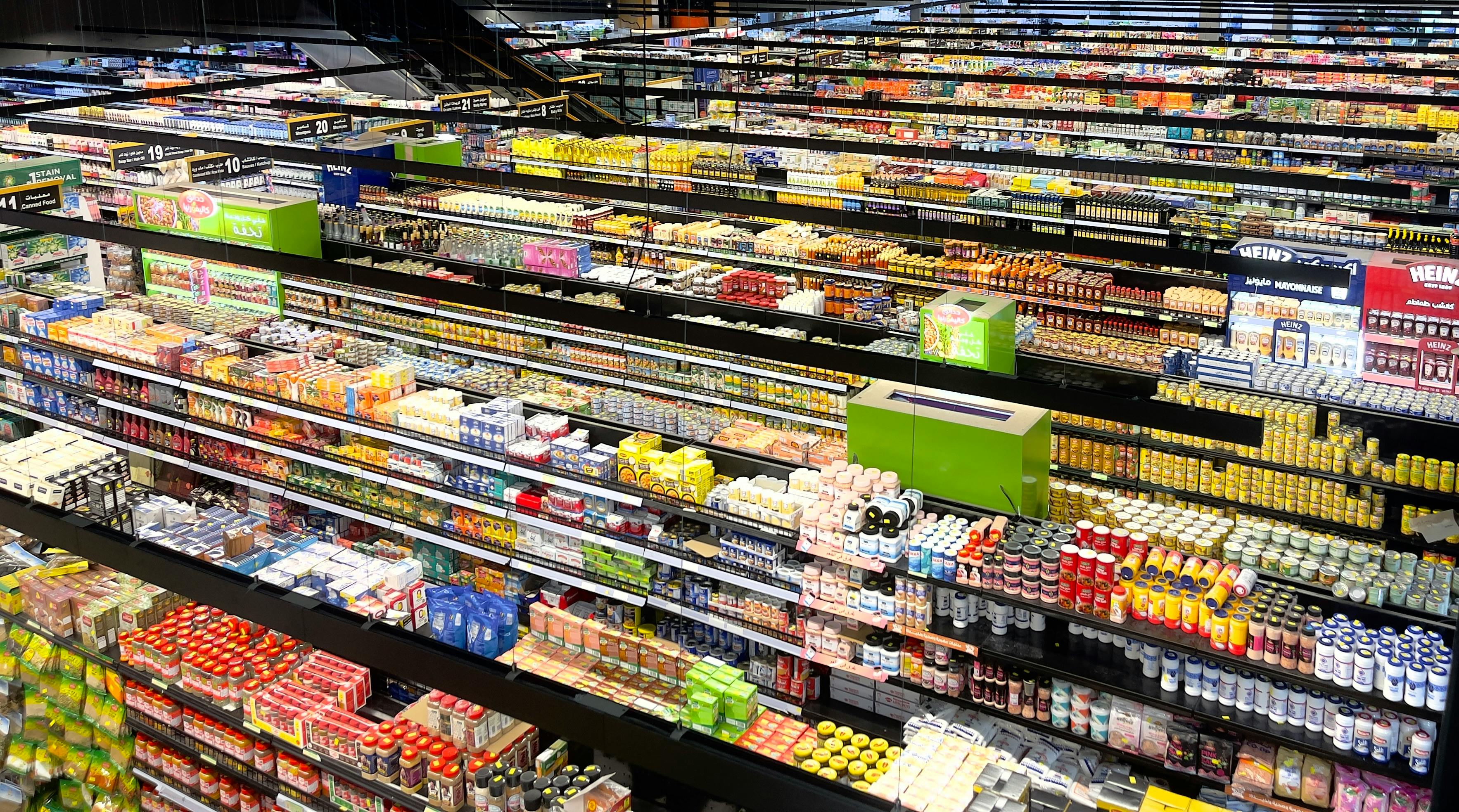
Retail media is the fastest-growing channel in CPG marketing. The attribution model it runs on was built to justify the spend — not to answer the question that actually matters.
The retail media pitch and why it works
The sell is hard to argue with. Reach shoppers at the point of purchase intent. Use first-party loyalty data to target by actual buying behaviour. Measure performance in a closed loop. Stay brand-safe. For marketing teams under pressure to demonstrate digital ROI, retail media arrived with an answer for every objection.
Tesco Media, Sainsbury's Nectar360, Amazon Ads, Boots Media Group — each has built a media business on the same structural advantage: they have the shopper data, they have the inventory, and they control the measurement.
Budgets have followed. Retail media now competes seriously with traditional digital channels for CPG spend. The question isn't whether it works. The question is whether brands actually know how well.
What retailer attribution actually measures
Retail media attribution is, almost universally, closed-loop within a single retailer's ecosystem. The methodology runs roughly like this: identify shoppers exposed to the ad, compare their purchase behaviour to a control group during the campaign window, report the uplift.
This produces numbers that look like performance marketing metrics — ROAS, cost per acquisition, sales uplift percentage. They are reported by the retailer, using the retailer's methodology, with the retailer's tooling. The retailer is both running the campaign and measuring it.
That creates structural incentives worth acknowledging. A methodology that consistently produced neutral or negative results would be commercially untenable for the media business selling on those results. This doesn't mean the numbers are false. It means the methodology is unlikely to be designed to surface inconvenient truths.
Beyond the incentive question, there are straightforward measurement gaps. Purchases made at other retailers by exposed shoppers aren't captured. Cannibalisation — shoppers who would have bought anyway and simply did so in the attribution window — typically isn't stripped out cleanly. Halo effects across the portfolio remain invisible.

The questions retail media can't answer
Retailer-reported ROAS answers one question: did people who saw this ad buy more of this product at this retailer during this period than a comparable group who didn't?
It doesn't answer:
Did this campaign generate new buyers, or reach existing loyalists who were already going to purchase?
Did those buyers return — at any retailer — within 30, 60, or 90 days?
Is the incremental volume coming from genuine frequency uplift, or from shoppers consolidating spend they were already going to make?
What would the same budget have produced invested in a loyalty mechanism that verified repeat purchase?
These aren't abstract questions. They're the difference between a channel that grows a brand and a channel that makes existing purchase behaviour look like campaign-driven uplift.
What incremental measurement actually requires
Pressure-testing retail media ROI properly requires a few things most brands aren't currently doing.
First: a holdout group measured across retailers, not just within the campaign environment. Shoppers who weren't exposed to the campaign, tracked through verified purchase data across multiple retail outlets, so that incremental behaviour can be attributed with greater confidence.
Second: a time horizon beyond the campaign window. A campaign that drives immediate uplift but produces no second-purchase cohort within 90 days is performing differently from one that generates genuine frequency. That distinction only becomes visible if you're tracking post-campaign purchase behaviour.
Third: cross-retailer purchase visibility. If the brand's measurement stack can only see what happens inside one retailer's walls, the incremental picture is incomplete by definition.
None of this is straightforward to build. But without it, retail media ROI calculations rest on the retailer's methodology and the retailer's incentives — which is a precarious basis for eight-figure budget allocations.
Retail media has a place — but not an unchallenged one
This isn't an argument against retail media. For new product launches, competitive defence, and in-season activation, it plays a genuine role. The targeting capabilities that come with retailer first-party data are real.
The problem is the default acceptance of retailer-reported metrics as the only measurement that matters. When ROAS figures from a Tesco campaign are presented without any cross-retailer context, without post-campaign repeat purchase tracking, and without a pressure-tested incrementality methodology, the number isn't wrong — it's just incomplete.
Brands that layer verified purchase tracking alongside retail media investment are finding the full picture looks different from the retailer's dashboard. Sometimes better. Sometimes not. Either way, they're making budget decisions with more information than those who take the dashboard at face value.
Where to start
If your retail media ROI is built entirely on retailer-reported ROAS, you're measuring channel performance within a single environment. That has value. But it's measuring something different from whether your retail media investment is building a brand that people buy repeatedly.
The measurement gap isn't a reason to abandon the channel. It's a reason to build the infrastructure that lets you see what it's actually doing — across retailers, over time, at the individual shopper level.
Vela gives CPG brands the verified cross-retailer purchase data to do exactly that — so retail media performance can be evaluated against the metric that matters most: whether shoppers came back.
contact us: info@velarewards.com